Understanding the Rich Tapestry of Culture in Bulgaria
The culture in Bulgaria is a vibrant and resilient tapestry woven from ancient Thracian roots, Slavic traditions, Orthodox Christian faith, and centuries of historical influence. This unique blend has produced a distinct national identity expressed through mesmerizing folk music, vivid rituals, intricate crafts, and a deep connection to the land. For travelers, engaging with the culture in Bulgaria offers a far richer experience than sightseeing alone. This guide provides expert insight into the key elements that define this captivating cultural landscape.
The Pillars of Bulgarian Cultural Identity
To truly appreciate the nation, one must understand the foundational elements that have shaped its people and traditions over millennia.
Orthodox Christianity and Medieval Heritage
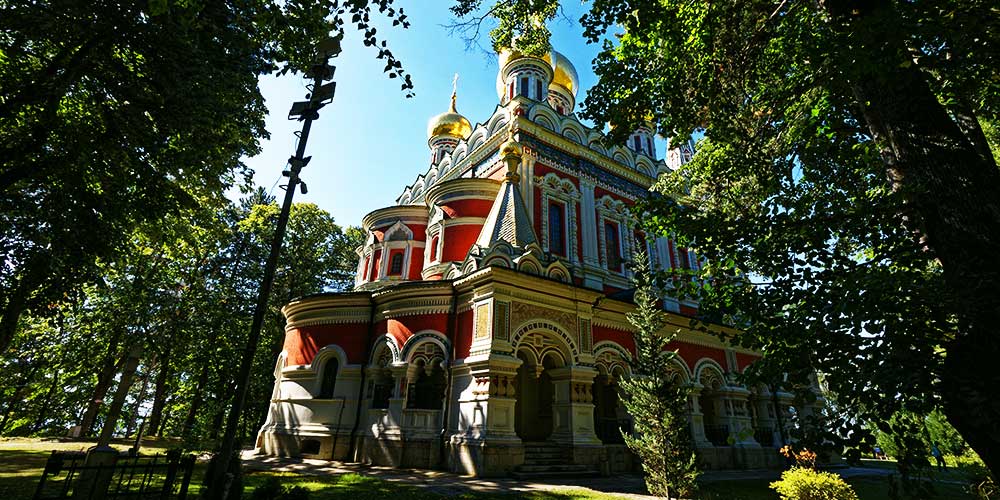
The adoption of Christianity in 865 AD and the creation of the Cyrillic alphabet are cornerstones of Bulgarian identity. This legacy is visible in magnificent monasteries like Rila and Bachkovo, which served as guardians of language and faith. Iconography, frescoes, and church rituals remain living aspects of the culture in Bulgaria, not mere historical artifacts.
Thracian Legacy and Archaeological Treasures
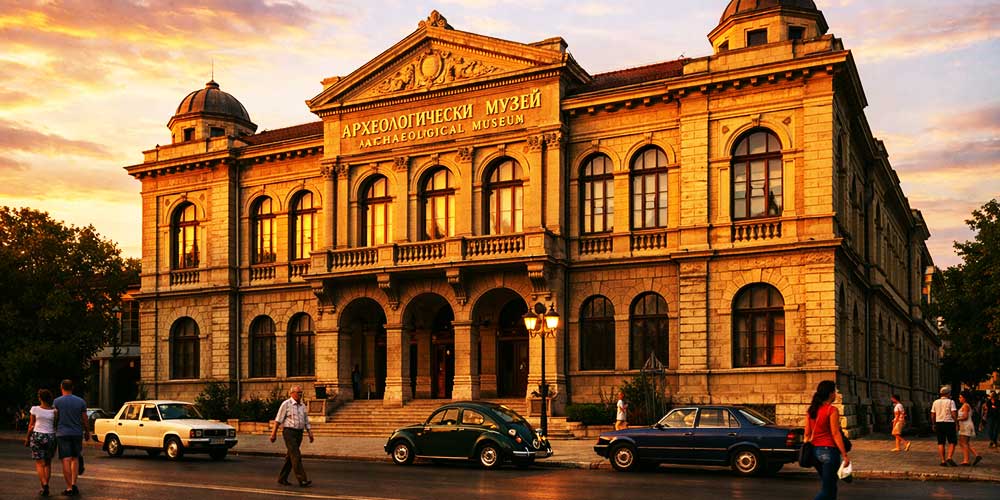
Long before the Bulgars and Slavs, the Thracians inhabited the land. Their sophisticated artistry in gold and silver, seen in treasures from Panagyurishte and Varna, and their enigmatic burial mounds dotting the countryside, form an ancient layer of the cultural foundation that continues to inspire national pride.
Folklore: Music, Dance, and Costume
Bulgarian folklore is astonishingly alive. The haunting sound of women’s polyphonic singing, the energetic rhythms of the horo circle dance, and the elaborate symbolism woven into traditional costumes (nosiya) are not performances for tourists but expressions of communal identity and seasonal rituals practiced for generations.
How to Engage Authentically with Bulgarian Culture
Moving beyond passive observation requires a strategic approach. First, time your visit with a festival. Attend the Kukeri Festival in Pernik to see breathtaking masquerade rituals, or the Rose Festival in Kazanlak during early June to witness a century-old harvest tradition. Second, seek out live folk music. In Plovdiv’s Kapana district or Sofia’s traditional taverns (mehana), you can hear authentic performances that invite participation. Third, visit ethnographic museums and open-air villages. Museums like Etar near Gabrovo beautifully demonstrate traditional crafts. Finally, learn a few basic customs. Understand that nodding “yes” is a shake of the head, and a “no” is a nod. Showing respect for these subtle nuances is key to a deeper connection. Engaging with the living culture in Bulgaria is about seeking out these authentic, participatory experiences.
The Insider’s View: Culture as a Living Practice
From years of immersion, I’ve observed that the most powerful aspect of culture in Bulgaria is its everyday vitality. A real-world example is the tradition of “name day” (imen den). It’s often more significant than a birthday. If you visit a Bulgarian home on their name day, you’ll find an open door, a table laden with food for any guest, and a profound sense of community celebration. This isn’t a staged event; it’s a living practice of hospitality and shared identity. The culture isn’t locked in a museum – it’s in the grandmother singing an old song while kneading dough, the artisan in a mountain village keeping a wood-carving style alive, and the fiery debates in cafes about history and politics. To experience it, you must look for the threads of tradition woven seamlessly into modern life.

You must be logged in to post a comment.