A Journey Through History: The Essential Bulgaria Monuments
The landscape of Bulgaria is dotted with monumental structures that tell the epic story of its 13-millennia history. From ancient Thracian tombs and Roman amphitheaters to majestic medieval monasteries and striking communist-era relics, the Bulgaria monuments offer a tangible connection to the past. Exploring these sites is essential for any visitor seeking to understand the nation’s complex identity. This expert guide highlights the most significant Bulgaria monuments and provides the context needed to appreciate their profound importance.
Categories of Iconic Bulgaria Monuments
Bulgaria’s monumental heritage can be broadly understood through four key historical periods, each leaving a distinct architectural legacy.
Ancient and Thracian Treasures
Long before the arrival of the Slavs, the Thracians built sophisticated tombs and sanctuaries. The most famous are the UNESCO-listed Thracian Tomb of Kazanlak, with its exquisite frescoes, and the Tomb of Sveshtari, featuring unique carved caryatids. The ancient city of Plovdiv also boasts a remarkably preserved Roman Theater, still used for performances today.
Medieval Fortresses and Monasteries
The medieval Bulgarian Empires left behind powerful symbols of faith and statehood. The Tsarevets Fortress in Veliko Tarnovo, the capital of the Second Empire, is a must-see hilltop complex. The Rila Monastery, a UNESCO World Heritage site, is the spiritual heart of the nation and a masterpiece of Bulgarian Renaissance architecture.
Communist-Era Memorials
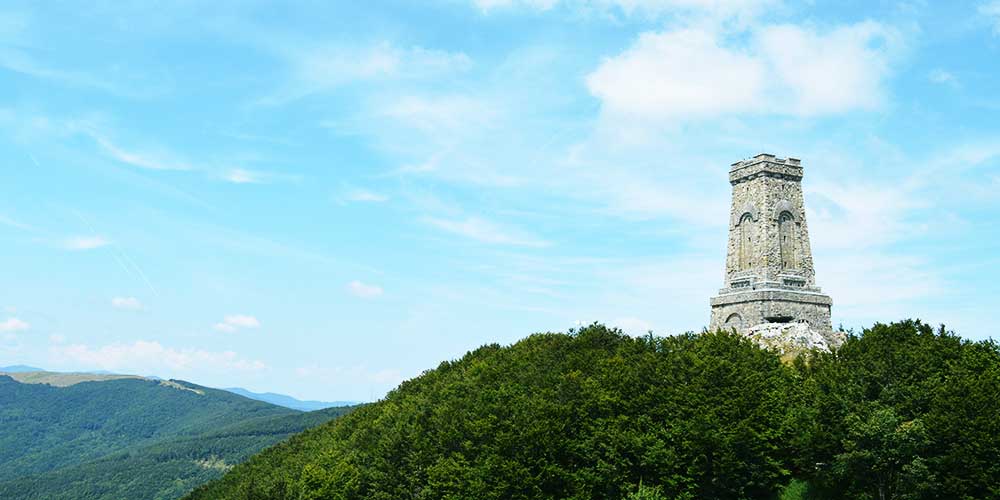
The 20th century introduced a starkly different monumental language. The Buzludzha Monument, a futuristic saucer on a mountain peak, is the most iconic communist relic. The Monument to the Soviet Army in Sofia and the Founders of the Bulgarian State Monument in Shumen are other massive, ideologically charged Bulgaria monuments from this period.
How to Strategically Visit Bulgaria’s Key Monuments
To efficiently explore these diverse sites, follow this expert plan. First, cluster your visits geographically. Group the Thracian tombs around Kazanlak with the nearby Shipka Memorial Church. Pair a trip to Veliko Tarnovo’s Tsarevets with a visit to the nearby Preobrazhenski Monastery. Second, prioritize guided tours for context. The history behind sites like Buzludzha or the ancient tombs is complex; a knowledgeable guide is invaluable. Third, check access and conditions. Some remote monuments have limited opening hours or require a 4×4 vehicle. Always verify current access before making a long journey. Finally, balance the old with the modern. Contrast the ancient serenity of Rila Monastery with the imposing decay of Buzludzha to fully grasp the narrative scope of Bulgaria monuments.
An Expert Perspective: Monuments as National Narrative
Having studied these sites extensively, I believe the most compelling Bulgaria monuments are those that spark debate about national memory. A prime example is the ongoing conversation around the Monument to the Soviet Army in Sofia. Once a standard tribute, its base has become a canvas for dynamic street art, often critiquing political regimes. This transformation shows how a monument’s meaning isn’t fixed; it evolves with society. Similarly, the preservation of Buzludzha isn’t about glorifying its ideology but about preserving a stark, physical question mark from the recent past. The true power of these structures lies not just in their size or age, but in their ability to make us ask: What do we choose to remember, and how? This layered dialogue between stone, history, and modern identity is what makes exploring Bulgaria’s monuments so uniquely rewarding.

You must be logged in to post a comment.