Discover the Wild Beauty of Nature in Bulgaria
Beyond its historic cities and coast lies a vast, untamed landscape waiting to be explored. The nature in Bulgaria is remarkably diverse, encompassing rugged alpine peaks, deep river gorges, ancient forests, and tranquil lakes. With over 35% of its territory protected, Bulgaria offers some of Europe’s most accessible and pristine wilderness areas. This expert guide highlights the essential facets of nature in Bulgaria and provides the key insights you need to plan an unforgettable outdoor adventure.
The Diverse Landscapes of Bulgaria’s Wilderness
Bulgaria’s natural wealth is organized into distinct geographical regions, each offering a unique experience for visitors.
The Balkan Mountain Range (Stara Planina)
Running east-west through the heart of the country, this “backbone” of Bulgaria is a hiker’s paradise. It’s home to Central Balkan National Park, a UNESCO Biosphere Reserve protecting dramatic cliffs, waterfalls, and Europe’s largest population of griffon vultures. The Kom -Emine trail traverses its entire length for serious trekkers.
The Rila and Pirin Mountains
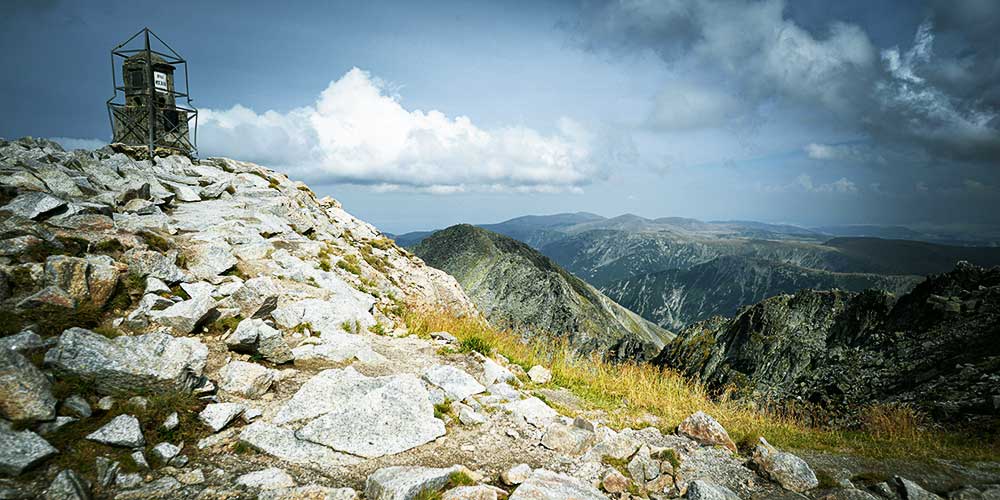
These southern ranges feature Bulgaria’s highest peaks, including Musala (2,925m) in Rila. Both are UNESCO World Heritage sites, renowned for their glacial lakes – like the stunning Seven Rila Lakes – and ancient pine forests. Pirin National Park is particularly famous for its unique limestone landscapes and biodiversity.
The Danube River and Northern Plains
In contrast to the mountains, northern Bulgaria offers the wide, serene landscapes of the Danube River. The Persina Natural Park encompasses the country’s only Danube islands, vital for birdlife. This region showcases a gentler, wetland-focused side of nature in Bulgaria, perfect for birdwatching and cycling.
How to Experience Bulgarian Nature Responsibly
To fully appreciate these landscapes, follow this expert-approved strategy. First, choose your entry point. For mountains, base yourself in towns like Bansko (for Pirin), Borovets (for Rila), or Karlovo (for the Central Balkans). Second, hire a local guide for major hikes. Trail markings can be sparse, and weather changes rapidly; a guide ensures safety and enriches the experience with knowledge of flora and fauna. Third, respect strict conservation rules. In national parks, camp only in designated areas, stay on marked trails, and carry out all trash. Finally, time your visit wisely. July-September is ideal for high-mountain hiking, while May-June is perfect for wildflowers and birding in the lowlands. Venturing into the heart of nature in Bulgaria requires preparation but rewards with unparalleled solitude and beauty.
The Local Perspective: Connecting with the Wild
Having trekked these mountains for years, I’ve learned that the true value of nature in Bulgaria lies in its raw, uncommercialized character. A real-world example is a hike in the Central Balkans. You might start in a foggy beech forest, emerge onto a sunlit meadow dotted with wild herbs, and share a ridge with a soaring eagle – all without seeing another person. The infrastructure is minimal; the experience is pure. The most memorable moments come from immersion: drinking icy water from a spring, identifying the tracks of a brown bear, or simply sitting by an alpine lake as the last light hits the peaks. This accessible wildness, where you feel genuinely remote yet within reach of a village guesthouse, is the unique and powerful gift of Bulgarian nature.



You must be logged in to post a comment.